Google Block Breaker Blocks: Complete Guide to Every Block Type and Symbol
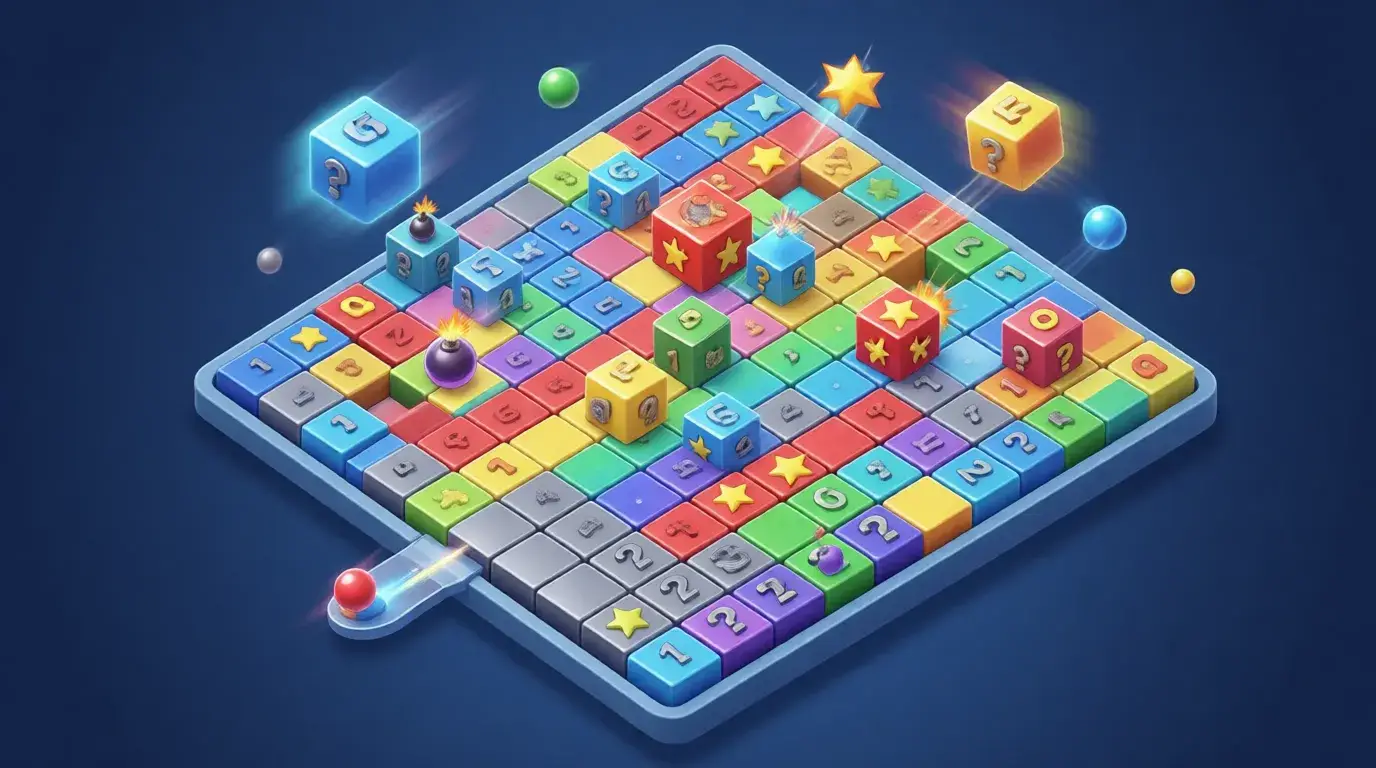
Google Block Breaker blocks come in many varieties. Each one behaves differently. Understanding them is crucial for success.
Many players struggle to identify what each block does. They miss power-ups. They waste balls on the wrong targets. Their scores suffer because of confusion.
But here’s the good news: mastering block types transforms your gameplay. Once you know which blocks to prioritize, your strategy improves dramatically. Your scores climb. Your game becomes more enjoyable.
In this guide, you’ll discover every block type in Google Block Breaker. You’ll learn what symbols mean. You’ll understand strategic priorities. Most importantly, you’ll know exactly how to approach each level.
Understanding Google Block Breaker Block Types
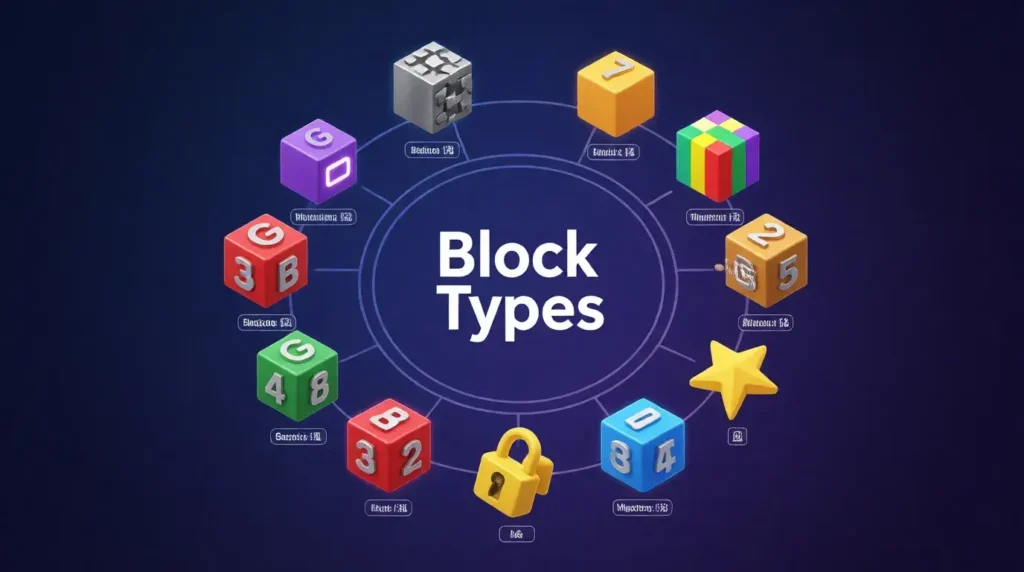
Google Block Breaker features multiple block categories. Each category serves a specific purpose. Knowing these differences changes everything.
Basic Blocks
Basic blocks form the foundation of every level. They’re simple colored rectangles. One hit destroys them completely. They award standard points.
These blocks appear most frequently. They’re your bread and butter targets. Focus on clearing them efficiently to advance quickly.
Key characteristics:
- Single-hit destruction
- Standard point values (10-50 points)
- No special effects
- Available in multiple colors
Numbered Blocks
Numbered blocks require multiple hits. The number shows remaining strength. Hit them repeatedly to break through.
A block labeled “3” needs three hits. Each impact reduces the number by one. Strategic players target these early in the game.
Why? Because they’re time-consuming obstacles. Clearing them first prevents frustration later. Plus, they often block access to valuable targets below.
Metal Blocks
Metal blocks are indestructible barriers. Your ball bounces off them harmlessly. No amount of hits will break them.
These blocks create strategic challenges. They force you to find alternative angles. They protect certain areas of the board.
Strategic approach:
- Plan shots around them
- Use angle shots to reach hidden blocks
- Accept them as permanent fixtures
- Adjust your ball trajectory accordingly
Rainbow Blocks
Rainbow blocks are special prizes. They cycle through multiple colors. Hitting them triggers powerful effects.
These blocks often release multiple balls. Sometimes they activate special power-ups. They’re always worth prioritizing over basic blocks.
Smart players save their best shots for rainbow blocks. The payoff justifies the effort. Your score multiplies quickly when you hit them.
Google Block Breaker Special Blocks and Their Powers
Special blocks transform ordinary gameplay into exciting challenges. Each type offers unique advantages. Learning to recognize them is essential.
Star Blocks
Star blocks are high-value targets. They feature prominent star symbols. Breaking them releases extra balls or power-ups.
These blocks typically sit in protected positions. You’ll need creative angles to reach them. The reward makes the effort worthwhile.
Benefits of star blocks:
- Triple point values
- Extra ball releases
- Power-up generation
- Chain reaction triggers
Bomb Blocks
Bomb blocks explode when hit. The explosion destroys surrounding blocks. This creates spectacular chain reactions.
The blast radius varies by level. Sometimes it clears three blocks. Other times it obliterates entire sections. Position matters enormously with bomb blocks.
Target them when surrounded by high-value blocks. Avoid wasting them on isolated positions. Maximum destruction equals maximum points.
Lock and Key Blocks
Lock blocks seal off valuable sections. They’re marked with padlock symbols. You need corresponding key blocks to open them.
Hit the key block first. This unlocks all matching lock blocks. They disappear simultaneously, revealing hidden treasures beneath.
This mechanic adds puzzle elements to gameplay. You’re forced to think strategically. Random hitting won’t work here.
Mystery Blocks
Mystery blocks hide their contents. They display question mark symbols. Breaking them reveals random rewards or challenges.
Possible outcomes include:
- Extra balls (most common)
- Point multipliers
- Additional mystery blocks
- Temporary obstacles
The randomness keeps gameplay unpredictable. You never know what you’ll get. That uncertainty creates excitement and tension.
Google Block Breaker Symbols Meaning
Symbols communicate vital information quickly. Understanding them eliminates guesswork. You’ll make better decisions instantly.
Number Symbols
Numbers indicate hit requirements. A “5” means five hits needed. Simple and straightforward communication.
Color matters too. Red numbers typically mean stronger blocks. Blue numbers indicate weaker resistance. Green numbers often have special properties.
Arrow Symbols
Arrows show directional effects. A downward arrow might release falling blocks. A sideways arrow could trigger horizontal movement.
Pay attention to arrow directions. They predict block behavior accurately. This knowledge prevents unwanted surprises.
Plus Symbols
Plus symbols represent addition mechanics. They might add balls to your collection. Or they could add points to your score.
These symbols always indicate positive outcomes. Prioritize them when possible. The benefits compound over time.
Lightning Symbols
Lightning blocks activate speed boosts. Your ball moves faster temporarily. This creates both opportunities and risks.
Faster balls mean quicker level completion. But control becomes more challenging. Experienced players love these blocks. Beginners often struggle with them.
What Do All the Blocks Do in Google Block Breaker
Each block serves a distinct gameplay purpose. None exist purely for decoration. Understanding functionality improves your strategy dramatically.
Scoring Blocks
Standard blocks award points based on color. Yellow blocks typically give 10 points. Blue blocks offer 20 points. Red blocks provide 50 points.
Priority order for maximum scores:
- Rainbow and special blocks first
- Red high-value blocks second
- Mystery blocks third
- Standard blocks last
This sequence maximizes point accumulation. Your scores improve immediately when following this hierarchy.
Obstacle Blocks
Metal and locked blocks create challenges. They force strategic thinking. You can’t just aim randomly anymore.
These obstacles appear more frequently in higher levels. They test your problem-solving skills. Learning how to play Google Block Breaker properly means mastering obstacle navigation.
Power-Up Blocks
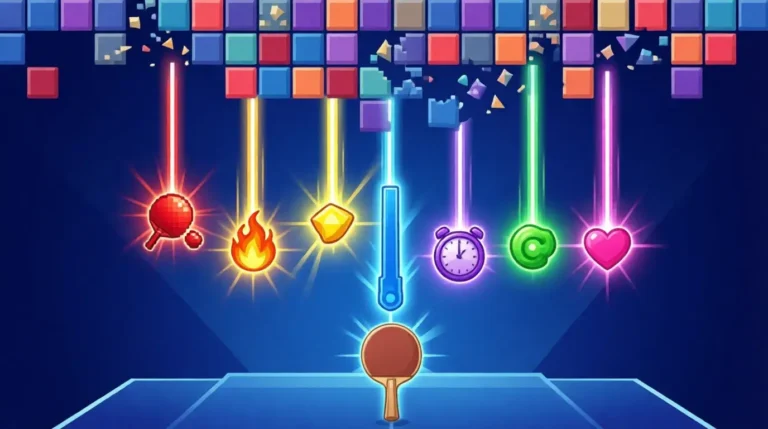
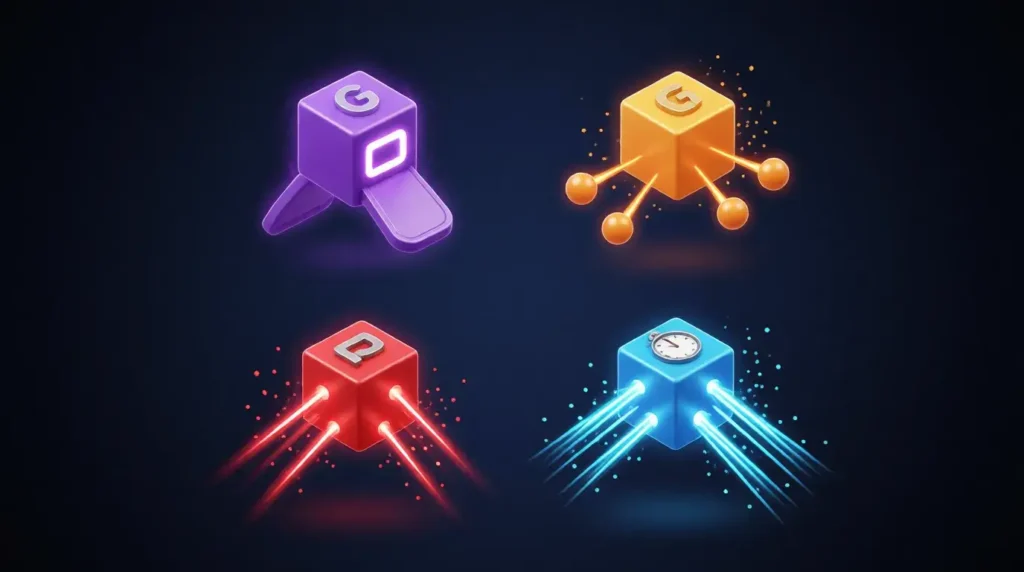
Certain blocks release game-changing power-ups. Wide paddle blocks expand your control surface. Multi-ball blocks triple your firepower. Laser blocks let you shoot directly.
Common power-up blocks:
| Block Type | Power-Up Effect | Duration |
|---|---|---|
| Wide Paddle | Increases paddle width | 30 seconds |
| Multi-Ball | Adds 2 extra balls | Until lost |
| Laser Shot | Direct shooting ability | 15 shots |
| Slow Motion | Reduces ball speed | 20 seconds |
Collecting power-ups strategically wins difficult levels. They’re not optional bonuses. They’re essential tools for success.
Chain Reaction Blocks
Some blocks trigger cascading effects. Bomb blocks are the obvious example. But others create subtle chains too.
Matching color blocks sometimes connect invisibly. Breaking one might weaken connected blocks. This mechanic rewards pattern recognition.
Advanced Block Strategy for Higher Scores
Basic knowledge gets you started. Advanced strategy takes you to the top. Here’s what expert players do differently.
Block Prioritization System
Not all blocks deserve equal attention. Create a mental hierarchy instantly. Always target blocks in this order:
Priority tier 1: Bomb blocks near high-value clusters Priority tier 2: Rainbow and star blocks Priority tier 3: Numbered blocks (highest numbers first) Priority tier 4: Power-up containing blocks Priority tier 5: Standard colored blocks
This system eliminates hesitation. You know your target immediately. Your gameplay becomes more efficient automatically.
Angle Optimization
Block position determines optimal angles. Corner blocks need sharp trajectories. Center blocks accept straighter shots.
Practice reading the board quickly. Identify the best entry angle before releasing your ball. This skill separates good players from great ones.
Combo Creation
Certain block combinations multiply your score. Breaking three rainbow blocks consecutively activates combo bonuses. The multiplier increases with each successful combo.
Combo multipliers:
| Combo Length | Score Multiplier |
|---|---|
| 2 blocks | 1.5x points |
| 3 blocks | 2x points |
| 4 blocks | 3x points |
| 5+ blocks | 5x points |
Chase combos when the opportunity appears. A single 5x combo equals five separate successful shots. The math favors combo-focused gameplay.
Block Pattern Recognition
Levels follow design patterns. Understanding these patterns predicts block placement. You’ll anticipate challenges before they appear.
Common patterns include:
- Pyramid formations (prioritize top blocks)
- Spiral arrangements (work from outside in)
- Checkerboard layouts (focus on one color first)
- Fortress designs (breach the walls early)
Recognizing patterns instantly improves your approach. You’re not just reacting anymore. You’re planning several moves ahead.
Google Block Breaker Mods and Block Variations
Google Block Breaker mods introduce creative block variations. These modifications keep gameplay fresh. They add complexity and excitement.
Custom Block Types
Modded versions feature unique blocks. Gravity blocks pull your ball downward. Teleport blocks move your ball randomly. Shield blocks require specific angles to penetrate.
These additions demand adaptation. Your standard strategies won’t always work. Flexibility becomes crucial for success.
Enhanced Visual Symbols
Some mods improve symbol clarity. They add color coding systems. They include helpful indicators and tooltips.
Better visuals mean faster decision-making. You spend less time guessing. You spend more time executing smart plays.
Difficulty Variations
Harder mods increase numbered block values. They add more metal obstacles. They reduce power-up frequency significantly.
These challenges appeal to experienced players. They’re seeking tougher tests. Standard gameplay becomes too easy eventually.
Essential Rules About Block Behavior
Understanding Google Block Breaker rules prevents costly mistakes. Blocks follow consistent physics and logic. Learning these principles improves your consistency.
Block Physics
Blocks don’t move randomly. They follow predictable patterns. Gravity affects certain block types consistently. Explosions always propagate in specific ways.
Study how blocks interact together. Notice cause-and-effect relationships. This knowledge becomes intuitive over time.
Destruction Order
Some levels require specific destruction sequences. Locked blocks demonstrate this clearly. You must break key blocks before accessing locked sections.
Pay attention to level design. Look for visual clues about sequence requirements. The game often hints at proper approaches.
Point Calculation
Block point values aren’t arbitrary. They reflect difficulty and strategic importance. Understanding this helps you maximize scores efficiently.
Higher-numbered blocks give proportionally more points. But they consume more time too. Sometimes clearing easier blocks faster produces better results.
Frequently Asked Questions
What are the different types of blocks in Google Block Breaker?
Google Block Breaker includes basic blocks, numbered blocks, metal blocks, rainbow blocks, bomb blocks, and mystery blocks. Each type has unique properties and strategic values. Basic blocks break in one hit. Numbered blocks need multiple hits. Metal blocks are indestructible obstacles.
What do the symbols on Google Block Breaker blocks mean?
Symbols communicate block properties quickly. Numbers show required hits. Arrows indicate directional effects. Lightning symbols mean speed boosts. Plus symbols represent bonus additions. Stars mark high-value targets. Understanding symbols improves decision-making speed dramatically.
How do special blocks work in Google Block Breaker?
Special blocks trigger powerful effects when broken. Bomb blocks explode and destroy surrounding blocks. Rainbow blocks release multiple balls or power-ups. Star blocks award triple points. Mystery blocks reveal random rewards. Prioritizing special blocks maximizes your score potential significantly.
Which Google Block Breaker blocks should I target first?
Target bomb blocks near valuable clusters first. Then focus on rainbow and star blocks. Next, clear high-numbered blocks that block access. Power-up blocks come fourth. Finally, sweep remaining basic blocks. This priority system maximizes efficiency and scoring potential.
Can all blocks in Google Block Breaker be destroyed?
No, metal blocks are permanently indestructible. They serve as fixed obstacles throughout the level. You must plan shots around them. Other block types can all be destroyed with appropriate effort. Locked blocks need key blocks first though.
What’s the highest-scoring block in Google Block Breaker?
Rainbow blocks typically award the highest points. They also trigger valuable power-ups and extra balls. Star blocks come second with triple point values. Bomb blocks can score massively through chain reactions. Focus your best shots on these premium targets.
Conclusion
Google Block Breaker blocks define your entire gameplay experience. Understanding each type transforms casual play into strategic mastery. You now know exactly what every block does.
Remember the key takeaways. Prioritize special and numbered blocks first. Learn symbol meanings for instant recognition. Use bomb blocks near high-value clusters. Chase combo multipliers whenever possible. Adapt your strategy to block patterns.
Start implementing these strategies immediately. Download Google Block Breaker and practice your new knowledge. Your scores will improve noticeably within minutes.
Block mastery separates average players from champions. You’ve got the knowledge now. Go play Google Block Breaker and dominate those leaderboards. Every block you break brings you closer to perfection.