When Was Google Block Breaker Released? Complete Release History
Google Block Breaker has two distinct release dates — and most guides only tell you about one of them.
The original Google brick-breaking Easter egg launched in May 2013. The current Google Block Breaker game that appears directly in Google Search launched in January 2025. These are two different versions of the game, both made by Google, both free to play, but built differently and accessible differently.
If you have been searching for when Google Block Breaker was released and getting confusing answers — this is why. Different guides are talking about different versions. This guide covers both, clearly, with the full history of how each one came to exist.
When Was Google Block Breaker Released — The Direct Answer
There are two answers depending on which version you mean:
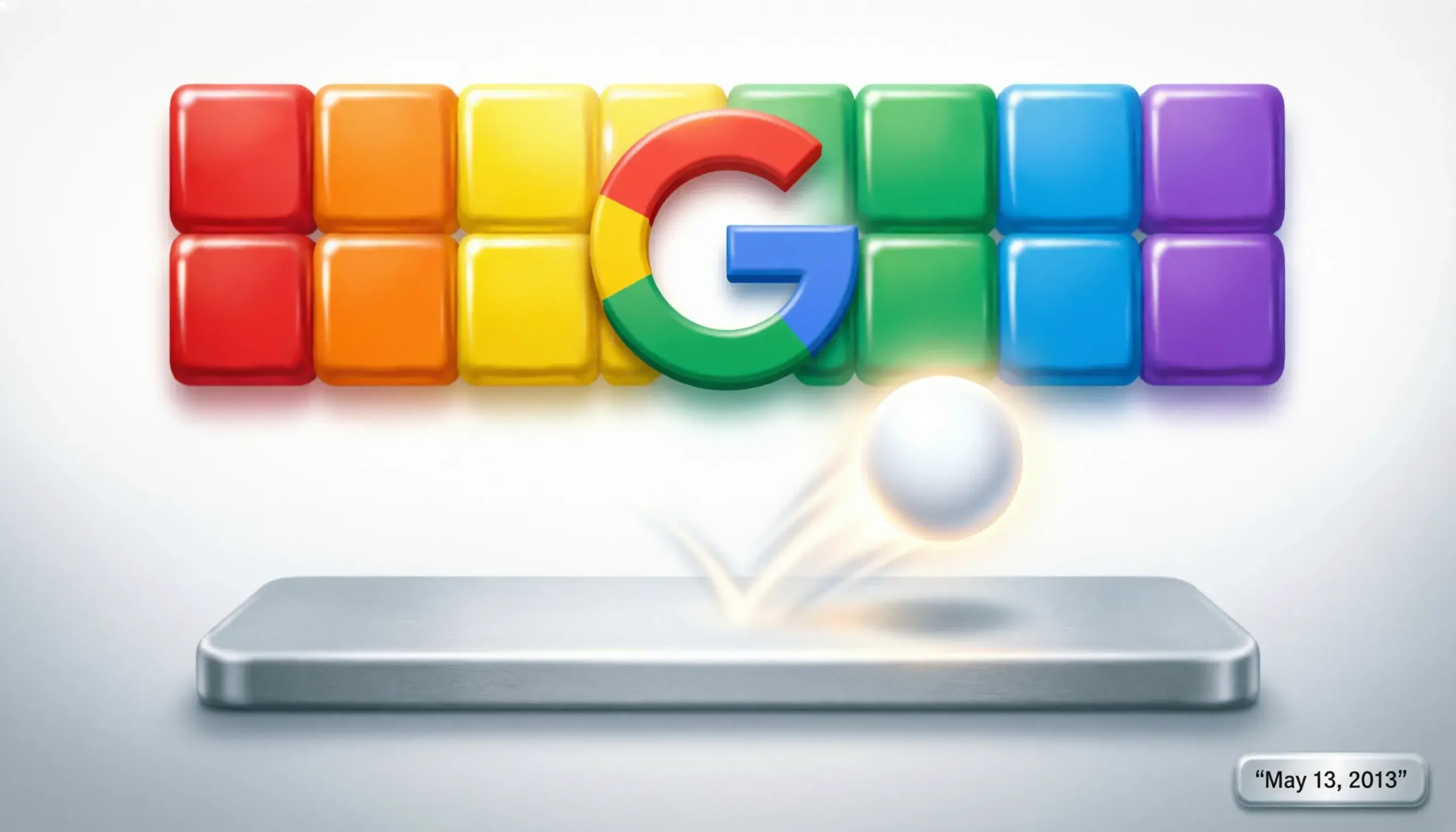
The 2013 version — the original Atari Breakout Easter egg hidden in Google Images — launched on May 13, 2013. It was created as a tribute to Atari Breakout’s 37th anniversary and was accessed by searching “Atari Breakout” in Google Images. It was removed during a Google Images interface update around 2020.
The 2025 version — the current Google Block Breaker that appears directly in Google Search results — officially launched in January 2025. This is a standalone game built into Google Search, accessible by searching “Google Block Breaker” or “Block Breaker game.” This is the version that remains fully playable right now in 2026.
Both versions share the same core mechanics — paddle, ball, colored blocks — but they are different implementations with different histories.
The 2013 Version — Google’s Atari Breakout Easter Egg
The original Google block breaker release date was May 13, 2013 — timed to mark exactly 37 years since Atari’s Breakout game first appeared in arcades in 1976.
Atari Breakout was a landmark in gaming history. The concept — bouncing a ball with a paddle to destroy bricks above — was designed at Atari with significant contributions from Steve Wozniak, who later co-founded Apple. The game’s elegant simplicity made it one of the defining arcade experiences of the 1970s and influenced a generation of game designers.
Google’s 2013 tribute was a technical achievement for its time. Engineers used JavaScript and HTML5 Canvas to transform Google Images search results into a playable game. When a user searched “Atari Breakout” in Google Images, the image thumbnails rearranged themselves into colored rows of blocks. A paddle appeared at the bottom. The ball launched automatically. The search results had become a game.
This surprise element — discovering a hidden game inside the world’s most-used search engine — drove massive organic sharing. The game trended on social media within hours. Tech publications covered it the same day. It became one of the most widely shared Google Easter eggs ever created.
The 2013 version ran until approximately 2020, when a Google Images interface update removed the Easter egg trigger. The gameplay experience it created is preserved in Google’s Doodle archive and various fan recreation sites.
The 2025 Version — Current Google Block Breaker
The google block breaker release date for the current version is January 2025. This is a distinct and separately developed game from the 2013 Easter egg.
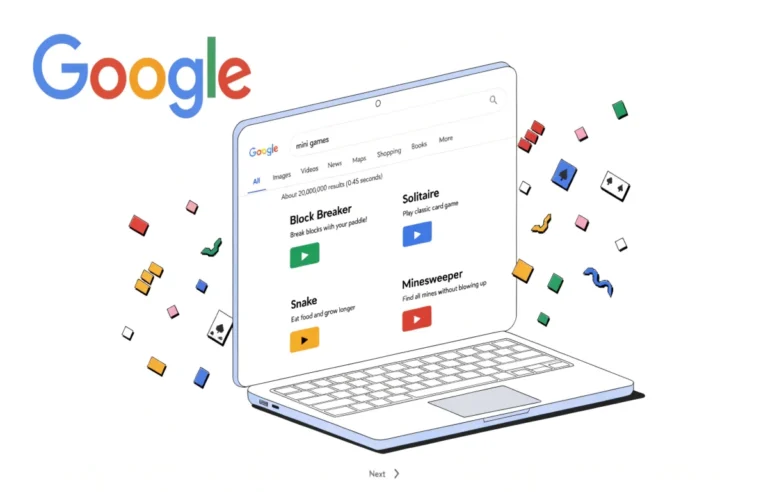
Where the 2013 version was hidden and required a specific search query to trigger, the 2025 version is a standalone interactive game card that appears directly at the top of Google Search results when you search “Google Block Breaker” or “Block Breaker game.” No image search required. No Easter egg trigger. Just a direct search and the game card appears.
The 2025 version reflects how Google’s approach to in-search gaming evolved. Rather than hiding games as Easter eggs for curious users to discover accidentally, Google built a dedicated game card that surfaces predictably for users actively searching for the game. This makes it more accessible and more permanent than the original Easter egg format.
The core mechanics remain faithful to the original: paddle control, bouncing ball, colored blocks with different point values, a three-life system, and progressive difficulty as blocks clear and ball speed increases. The 2025 version added cleaner visual design and more consistent performance across devices compared to the original Easter egg.
This is the version you can play right now — at googleblockbreaker.net or through a Google Search. To understand the complete rules and how the current game works, see our Google Block Breaker rules guide.
Google Block Breaker Release History — Full Timeline
Understanding both versions in sequence makes the full history clear.
1976 — Atari Breakout (The Original)
Atari releases Breakout as an arcade cabinet game. The core concept — paddle, ball, bricks — becomes one of the foundational game mechanics of the arcade era. Steve Wozniak’s engineering work on the game’s circuit design is documented as a significant contribution. The game’s simplicity and addictiveness make it a commercial success and a cultural touchstone.
2013 — Google’s Atari Breakout Easter Egg
On May 13, 2013, Google launches a hidden Easter egg in Google Images. Searching “Atari Breakout” transforms image search results into a playable brick-breaking game. The Easter egg goes viral within hours, is covered by major tech publications, and becomes one of the most shared discoveries on the internet that year. It remains accessible for approximately seven years.
2020 — Original Easter Egg Removed
Google’s update to the Google Images interface removes the Easter egg trigger. Users who had bookmarked the experience find it no longer works. Fan recreation sites and archival platforms preserve the original experience.
January 2025 — New Google Block Breaker Launches
Google officially launches a new standalone Block Breaker game directly in Google Search. Unlike the 2013 Easter egg, this version is intentionally visible and accessible — it appears as a game card when users search for it directly. This is the current, active version of Google Block Breaker available in 2026.
Why Google Released Two Versions
The gap between 2013 and 2025 reflects changing approaches to in-search interactive content.
The 2013 Easter egg was part of Google’s tradition of hiding surprises for exploratory users — rewards for curiosity. These Easter eggs were not meant to be primary features. They were bonuses discovered accidentally or through word of mouth.
By 2025, user expectations around interactive search content had shifted. Google had built out its gaming and interactive content capabilities significantly. A permanent, searchable block breaker game aligned with how users increasingly expected to find games directly through search rather than stumbling upon hidden Easter eggs.
The 2025 version also reflects better mobile support, more consistent cross-device performance, and cleaner integration with the search results interface — improvements that the 2013 Easter egg, built on an older technical foundation, could not easily provide.
How to Play Google Block Breaker Today
The current 2025 version is fully playable right now. Here is how to access it on any device.
Search “Google Block Breaker” or “Block Breaker game” in Google Search. The game card appears at the top of results. Click or tap Play and the game loads immediately. On mobile, touch controls activate automatically — swipe left and right to move the paddle.
Ball speed increases as you clear blocks. Gold blocks in upper rows give 200 points each — the highest single-block value. A combo multiplier builds with consecutive hits up to 5x, making sustained rallies far more valuable than scattered hits. For complete gameplay guidance, our how to play Google Block Breaker guide covers every mechanic in detail.
The game is completely free with no download, account, or payment required.
Google Block Breaker Release Date — Stats and Context
Some numbers that put the release history in context:
- 37 years — the anniversary the 2013 Easter egg was created to celebrate
- ~7 years — how long the 2013 Easter egg ran before removal
- 2 years — how long the 2025 version has been live as of 2026
- 144,500 points — the highest community-verified score on the current version, reported on Reddit r/gaming
- 161 players — documented on Speedrun.com’s competitive leaderboard for the game
- 2013 to 2026 — over a decade of Google-created block-breaking games available to users at various points
The continuity from 2013 to 2025 represents Google’s sustained interest in bringing this particular game format to its users — first as a hidden tribute, then as a permanent accessible feature.
Frequently Asked Questions
When was Google Block Breaker released? Google Block Breaker has two release dates. The original Atari Breakout Easter egg in Google Images launched on May 13, 2013. The current Google Block Breaker game available in Google Search launched in January 2025. Both are Google-made brick-breaking games but are separate implementations.
When was the original Google Block Breaker Easter egg released? The original Easter egg launched on May 13, 2013, timed to mark the 37th anniversary of Atari’s Breakout game from 1976. It was accessed by searching “Atari Breakout” in Google Images and ran until approximately 2020.
Is Google Block Breaker still available? Yes. The 2025 version launched in January 2025 and remains fully accessible in 2026. Search “Google Block Breaker” in Google Search and the game card appears. You can also play directly at googleblockbreaker.net.
Why did the original Google Block Breaker stop working? The original 2013 Easter egg was removed during a Google Images interface update around 2020. The Easter egg relied on specific functionality in the Google Images page that the update changed. A new standalone version launched in January 2025 as a replacement.
What was the Google Block Breaker release date in 2025? The current Google Block Breaker launched in January 2025. This version appears as a direct game card in Google Search results and is accessible by searching “Google Block Breaker” or “Block Breaker game.”
Why did Google make two versions of Block Breaker? The 2013 version was a hidden Easter egg tribute to Atari Breakout’s anniversary — part of Google’s tradition of rewarding curious users with surprises. The 2025 version reflects a shift toward intentionally accessible in-search gaming, designed to be found and played directly rather than discovered accidentally.
What is the difference between the 2013 and 2025 versions? The 2013 version was hidden in Google Images and triggered by a specific search query — image results became the game blocks. The 2025 version is a standalone game card in Google Search, accessible by directly searching for the game. The 2025 version has cleaner design, better mobile support, and is permanently accessible rather than hidden.
Final Thoughts
Google Block Breaker’s release history spans over a decade — from a surprise Easter egg in 2013 to a permanent, searchable game in 2025. Both versions reflect the same design philosophy: take the timeless brick-breaking formula, make it instantly accessible, and deliver it with zero friction.
The 2013 version is history. The 2025 version is what you can play right now.
Play Google Block Breaker on the homepage — no search, no steps, just instant gameplay.